If you’re experiencing a reduced appetite or finding you feel full sooner than usual, you might be wondering: what should I eat?
When you’re eating smaller amounts, it can take a little more thought to get enough protein, fluids, fibre and other essential nutrients. Making the most of the food you eat can help support your energy, muscle strength, digestion and overall health.
Our Registered Dietitian Lily ‘Lentil’ shares some key nutrients to prioritise, along with practical tips to help you nourish your body when your appetite is smaller.
The information below is intended as a general guide. Your individual nutritional needs will vary depending on your health, circumstances and activity levels.
Calories
Recommended amount
Your energy needs will vary depending on your age, gender, weight, and physical activity levels. If your appetite is smaller, it can sometimes be more challenging to eat enough to meet your body’s needs (1).
Rather than focusing on a specific calorie target, prioritise nourishing foods that provide a range of essential nutrients.
Tips
- The quality of the foods you eat matter just as much as your daily calorie intake.
- It’s important to focus on whole foods because these foods provide a package of nutrients like protein, dietary fibre, iron and calcium. Examples include vegetables, fruit, whole grains, legumes (chickpeas, lentils), lean protein sources (fish, poultry), and low-fat dairy products.
- Monitor your meals and food intake to ensure you are getting enough food in each day.
- If you have a reduced appetite, aim for smaller (more manageable) and frequent meals (2).
Remember
When your appetite is reduced, it can be harder to get enough energy and essential nutrients from food alone. If you’re finding it difficult to eat enough, your health professional or dietitian can help you work out an approach that meets your individual needs.
Protein
Recommended amount
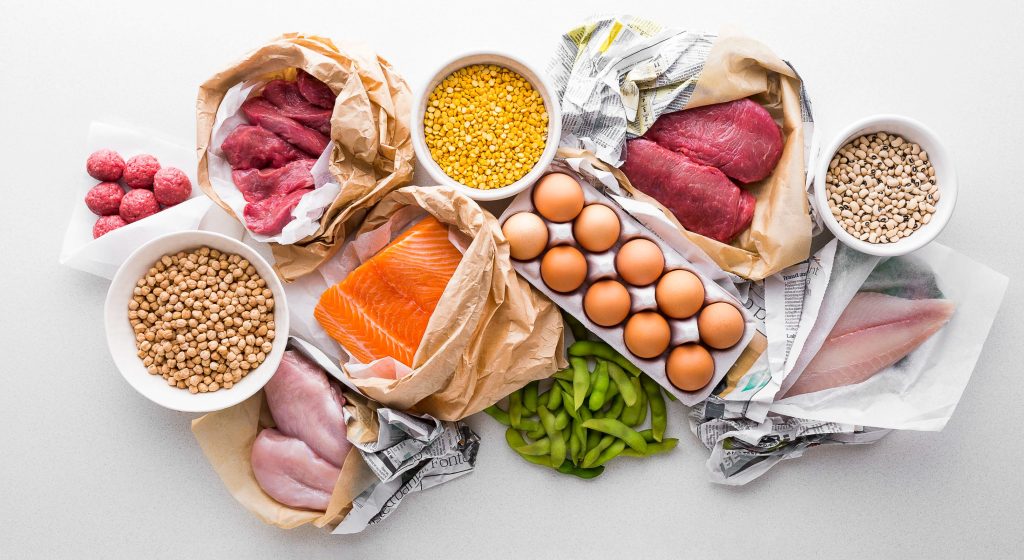
Protein is essential for building and maintaining muscle, repairing body tissues and supporting many important functions in the body. Getting enough protein is particularly important when you’re eating smaller amounts.
Your individual protein needs will vary depending on factors such as your age, activity levels and health. Aim for 1.0 – 1.5 grams of protein per kilogram of body weight per day (1,2).
Tips
- Eat the protein foods on your plate first to ensure you are eating enough protein (aim for around 25-30g per plate and use protein-rich snacks to help you bridge the gap on days you eat less food or have a lower appetite).
- Include quality protein foods at each meal i.e. lean meats, chicken, fish, seafood, low-fat dairy products like milk, Greek yoghurt and cottage cheese, peas, edamame beans, lentils, tofu, nuts and seeds.
- Add a scoop of protein powder to boost smoothies and breakfast bowls.
- Seek advice from your health professional around meal replacement products like shakes or bars. These can be helpful to supplement dietary intake especially if your appetite is significantly affected (1).
Remember: eating enough protein, alongside resistance and strength-based exercise, can help to preserve your muscle and reduce any losses (1,2).
Fluids
Staying hydrated supports many essential functions, including temperature regulation, circulation and digestion.
Recommended amount
Aim to drink 2 – 3 litres per day.
Tips
- Fluids include water (plain or sparkling), low sugar drinks, tea/coffee, nutrient-dense beverages (such as low-fat dairy or plant-based, calcium-fortified dairy alternatives), veggie/protein-packed soups, smoothies (1).
- Keep fluids within easy reach. Carry a water bottle or keep a glass of water nearby to help you remember to drink regularly throughout the day.
- Build hydration into your routine. Try having a drink when you wake up, with meals and snacks, or at regular points throughout the day.
- Limit alcohol because it doesn’t provide any benefit to your health and can increased dehydration.
- Limit caffeine because it can make you need to use the toilet more often – making it even harder to meet your fluid requirements.


Carbohydrate
Recommended amount
Carbohydrates provide energy for your body and brain, and many carbohydrate-containing foods also provide important nutrients, including dietary fibre, vitamins and minerals.
Choosing a variety of carbohydrate sources can help support your overall nutrition and digestive health.
Tip
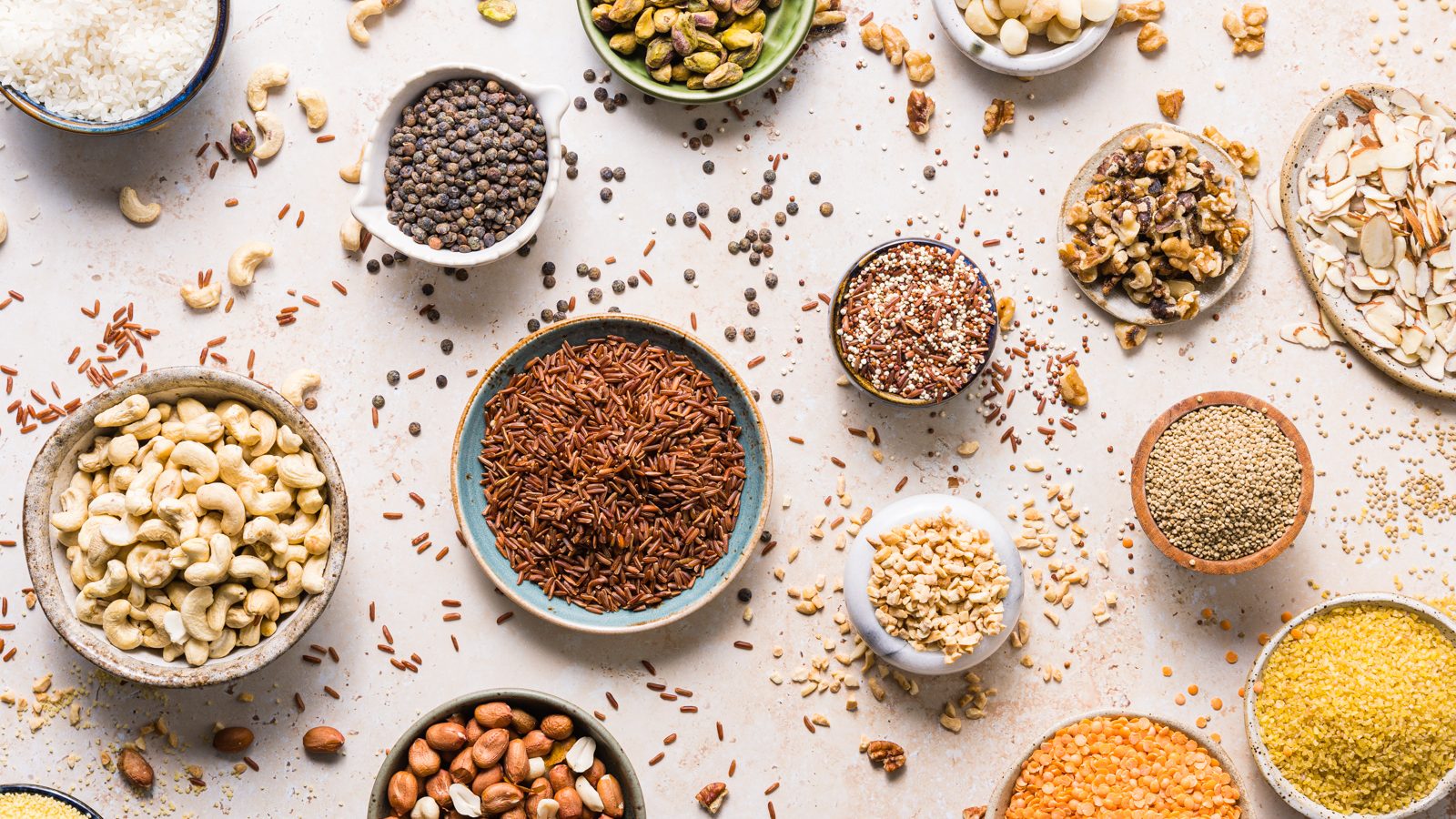
- Include wholegrain carbohydrate foods where you can. Options such as brown rice, bulgur wheat, wholemeal couscous, oats, weetbix, whole grain breads, wholemeal pita provide dietary fibre and other nutrients.
- Enjoy a variety of carbohydrate sources. Fruit, vegetables and legumes such as lentils and chickpeas also contribute carbohydrates, alongside other important nutrients.
- Choose options that suit your appetite and preferences. If you find larger meals difficult to manage, smaller portions of carbohydrate foods can still contribute to a balanced meal.
Dietary fibre
Dietary fibre supports healthy digestion and regular bowel movements. It can also help support healthy blood cholesterol and blood glucose levels.
Recommended amount
Aim for 25-30g dietary fibre per day.
Tip
- Dietary fibre helps to keep your bowels regular and healthy, lowers blood cholesterol and slows the release of blood glucose.
- Whole grain carbohydrate foods like brown rice and bulgur wheat, vegetables and fruit (skins on), legumes (beans, chickpeas) and seeds (chia seeds, sunflower seeds) will help to contribute dietary fibre to your plate at each meal.
- It is important to gradually increase your fibre intake and drink plenty of water to prevent gut-related symptoms like bloating and constipation (1).
- If you are unable to meet your dietary fibre requirements, chat to your health professional around whether a dietary fibre supplement is an option.
Remember
If you experience ongoing constipation, bloating or other gut symptoms, speak with your health professional around how to gradually and safely increase your fibre intake.
Fat
Dietary fat provides energy, helps your body absorb vitamins A, D, E and K, and supports normal cell function. Including a variety of fats is an important part of a balanced diet.
Tips
- Choose healthy poly and monounsaturated fats such as nuts and seeds, avocado, nut butters, oily fish and olive oil due to the heart health benefits.
- Make small additions when appetite is limited. Depending on your needs and preferences, adding foods such as nut butter, seeds or olive oil to meals can increase the meal’s energy and nutrient content without requiring a much larger portion.
- Choose foods that feel comfortable for you. Some people find richer, creamy, fried and fatty foods less appealing when their appetite is reduced. If this applies to you, experiment with different ingredients and preparation methods to find what works best.
We eat food not nutrients
When your appetite is smaller, getting the nourishment your body needs can take a little more thought. It doesn’t need to mean complicated meals or a complete change to how you eat – focus on a variety of whole foods, protein-rich meals and finding practical ways to eat regularly to help support your overall wellbeing.
The goal isn’t to get every meal perfect. It’s to find sustainable ways to nourish yourself that work for your appetite, preferences and lifestyle.
Ready to make every mouthful count?
Check out our Smart Portions Meal Plan – balanced, protein-packed and portion-controlled meals designed to help you stay nourished while having a reduced appetite.
Explore our Smart Portions Meal Plan

If you’re experiencing significant changes in your appetite and concerned about your food intake, check in with your healthcare professional to help ensure you’re meeting your individual nutrition needs.
References
- Almandoz JP et al. Nutritional considerations with anti-obesity medications. Obesity (Silver Spring). 2024 Sep;32(9):1613-1631.
- Mozaffarian D et al. Nutritional priorities to support GLP-1 therapy for obesity: A joint Advisory from the American College of Lifestyle Medicine, the American Society for Nutrition, the Obesity Medicine Association, and The Obesity Society. Obesity (Silver Spring). 2025; 1-29.