Keeping hydrated is essential for your health – it helps regulate body temperature, supports digestion, keeps energy levels steady. Our nutrition team has pulled together the latest recommendations and 5 simple strategies to help you stay on top of your fluid intake when appetite is low.
A reduced appetite can make it more difficult to stay well hydrated, as around 20% of our daily fluid intake comes from food (1). When eating less, you may also be consuming less fluid overall, making it important to pay extra attention to hydration throughout the day.
How much fluid should you be drinking?
Most people need 2 to 3 litres of fluid per day (around 8 to 12 cups), though your exact needs will depend on your age, gender, activity levels, and the climate you live in (1).
Water is best, but other drinks can also count towards your daily fluid intake, including:
- Low-calorie drinks like herbal or black tea, flavoured sparkling water
- Nutrient-dense fluids such as yoghurt, low-fat milk or calcium-fortified alternatives (i.e. soy milk)
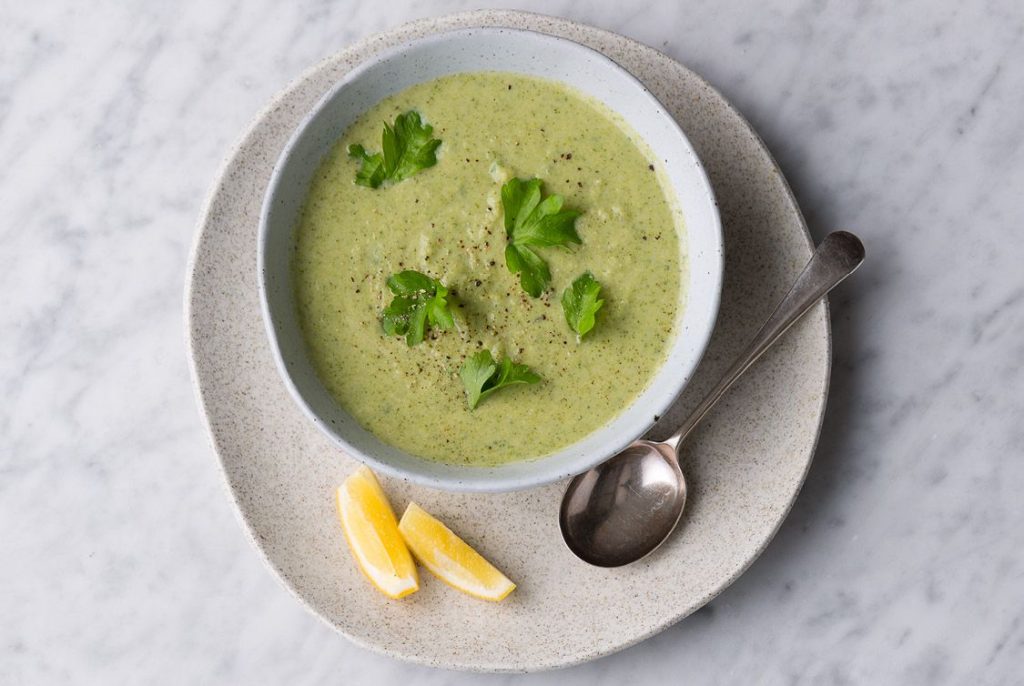
- Soups including broths or store-bought chilled soups for a convenient option
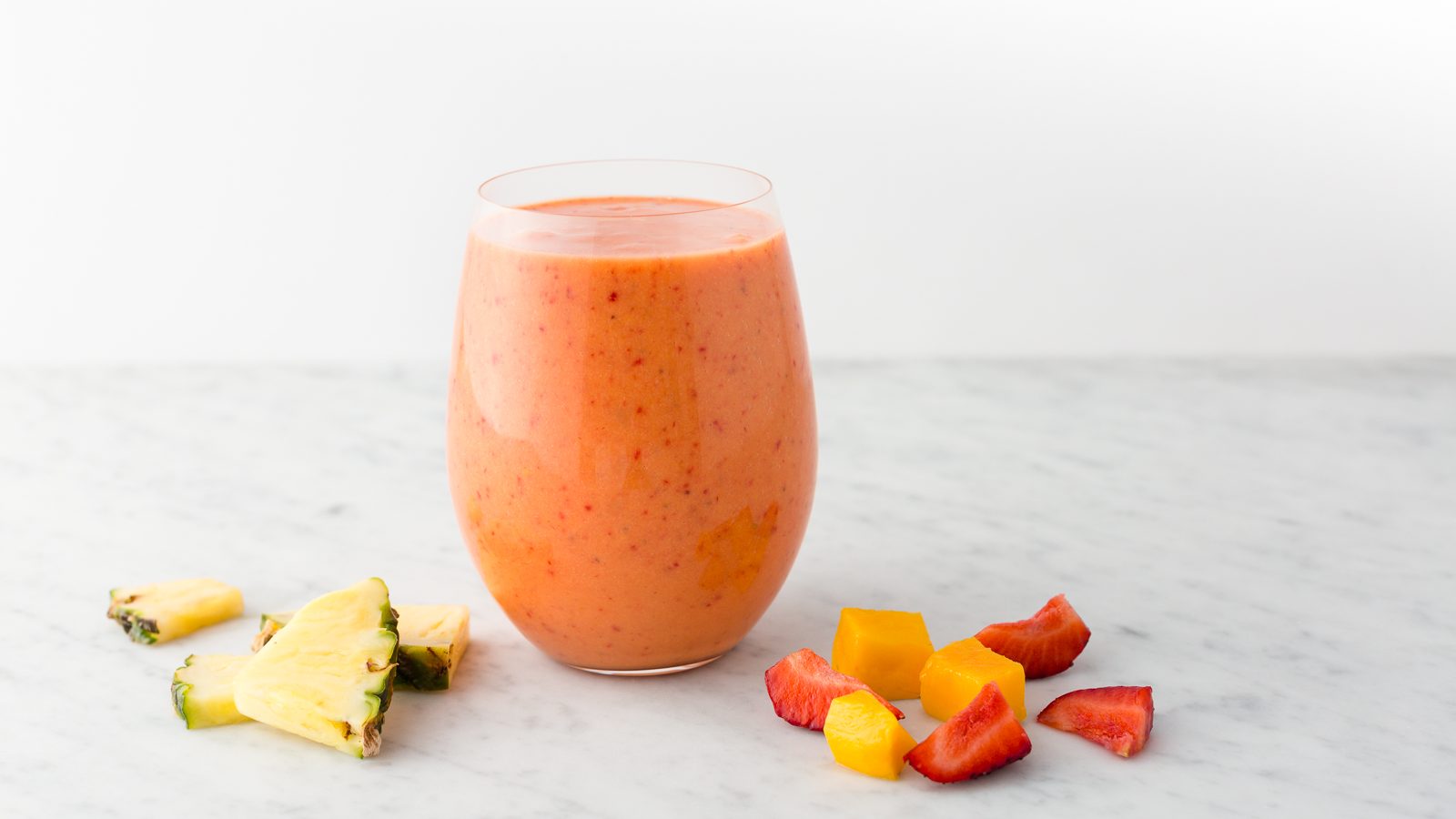
- Smoothies which are a great way to pack in nutrition including fruit (berries, pineapple, mango), veggies (spinach, cauli, courgette), dairy (milk, yoghurt), nuts, seeds and protein powder
- Meal replacement shakes or soups which are usually mixed with water or milk (always use these options following the direction of your health professional)
Aim to limit sugary drinks like juice, soft drinks and energy drinks. Be mindful of your alcohol and caffeine intake as although these both contribute to your fluid intake they can have a diuretic effect, which can make staying hydrated more challenging (2).
Simple hydration strategies
1. Sip little and often
Rather than drinking large amounts at once, try keeping a water bottle with you and take small sips regularly throughout the day. This can feel more manageable and it also makes it easier to keep track of how much you have had.
2. Set reminders
If you tend to forget to drink, try setting alarms on your phone or using a hydration app. Make the most of times when you naturally feel more inclined to drink.
3. Flavour it up
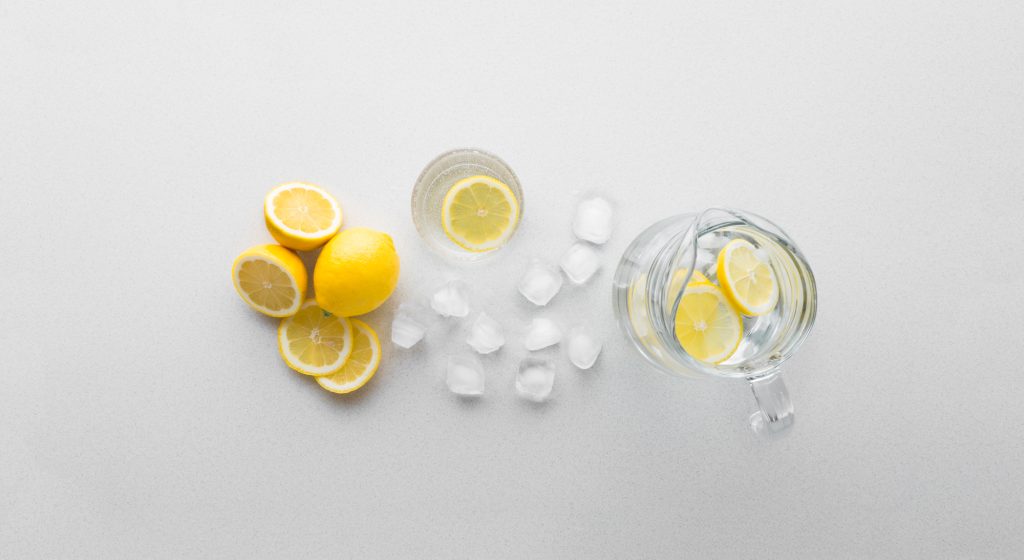
If plain water doesn’t appeal, add lemon, mint, cucumber, or a splash of juice and plenty of ice. You can also boost hydration through foods with a higher water content like cucumber, watermelon, oranges, yoghurt, or a refreshing smoothie. These options provide both fluids and extra nutrients like fibre, protein, and vitamins.
4. Time your fluids
Drinking a lot of liquid with meals can add to feelings of fullness. Aim to drink about 30 minutes before or after eating instead, which many people find more comfortable.
5. Choose warm options
If cold drinks don’t appeal, warm options such as herbal teas or clear broths can be gentler on the stomach. They’re also a cosy option during cooler months.
Remember
- Pale yellow urine is a good sign you’re hydrated.
- Fluid needs increase if you’re active or in hot weather.
- Staying well hydrated can help prevent or ease constipation.
Everyone’s needs are different, so use these strategies alongside advice from your healthcare professional.
Want to be sure your meals are supporting your hydration habits?
Our Smart Portions range provides balanced, portion-controlled meals designed to keep you nourished.
Explore our Smart Portions meals here
If you’re experiencing significant changes in your appetite and concerned about your food intake, check in with your healthcare professional to help ensure you’re meeting your individual nutrition needs.
References
- National Health and Medical Research Council, Australian Government Department of Health and Ageing, New Zealand Ministry of Health. Nutrient Reference Values for Australia and New Zealand: Water. Canberra: NHMRC; 2006 [cited 2025 Aug 20]. Available from: https://www.eatforhealth.gov.au/nutrient-reference-values/nutrients/water
- Almandoz JP et al. Nutritional considerations with anti-obesity medications. Obesity (Silver Spring). 2024 Sep;32(9):1613-1631.