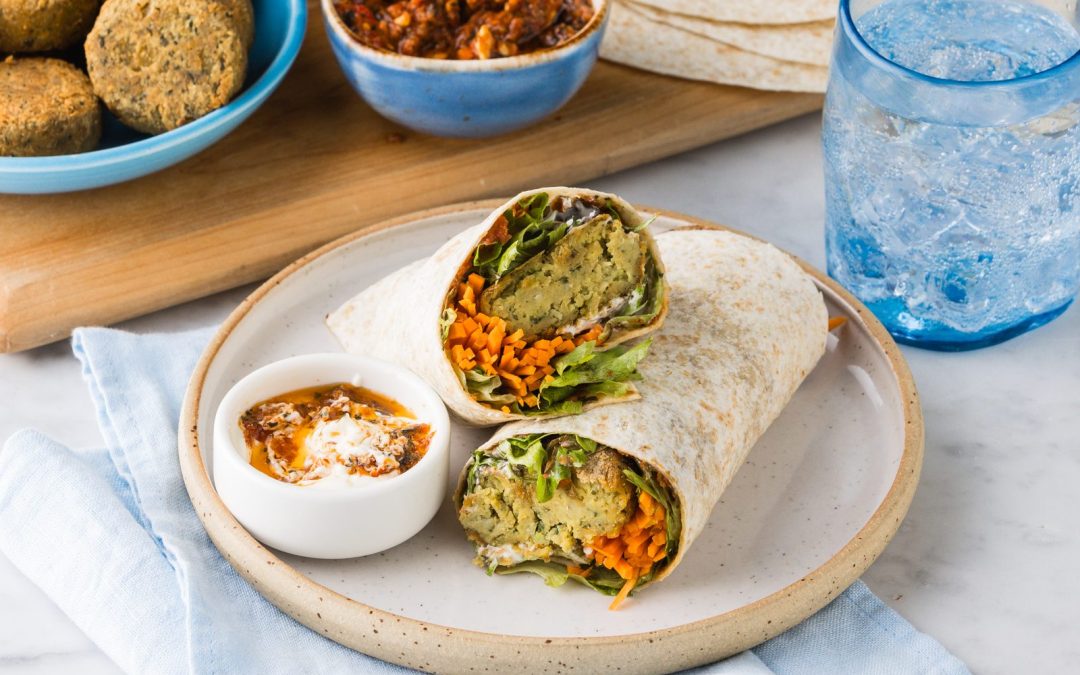
If gut health and nutrition is on your radar, you’ve probably heard the terms prebiotics and probiotics thrown around. They’re often mentioned together but they’re not the same thing.
Think of them as a team: one feeds your gut microbes and the other adds to them (1,2). Both play an important role in how your digestion, energy and overall wellbeing feel day to day.
Read below where the team from BePure share how they differ and how to support both:
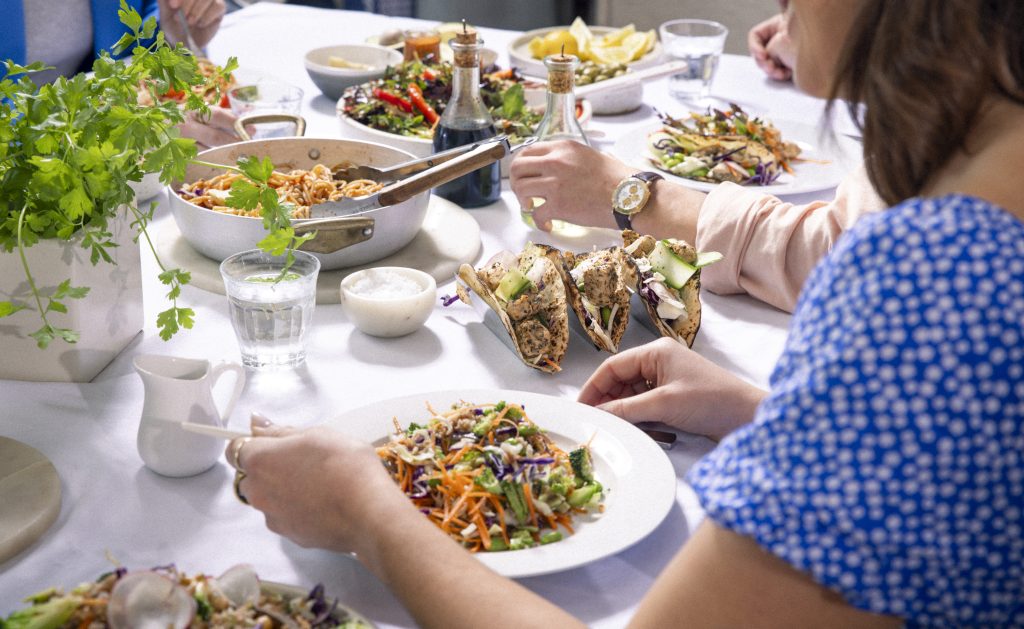
Probiotics: The live bacteria
Probiotics are live microorganisms that add to the population of beneficial bacteria already living in your gut. They help support digestion, immune function and even nutrient absorption.
You’ll find probiotics naturally in fermented foods like:
- Yoghurt
- Kefir
- Sauerkraut
- Kimchi
- Miso
- Tempeh
- Kombucha
You don’t need large amounts. A small, regular serve – a spoonful on the side or a dollop in a bowl – is often enough to support your gut.
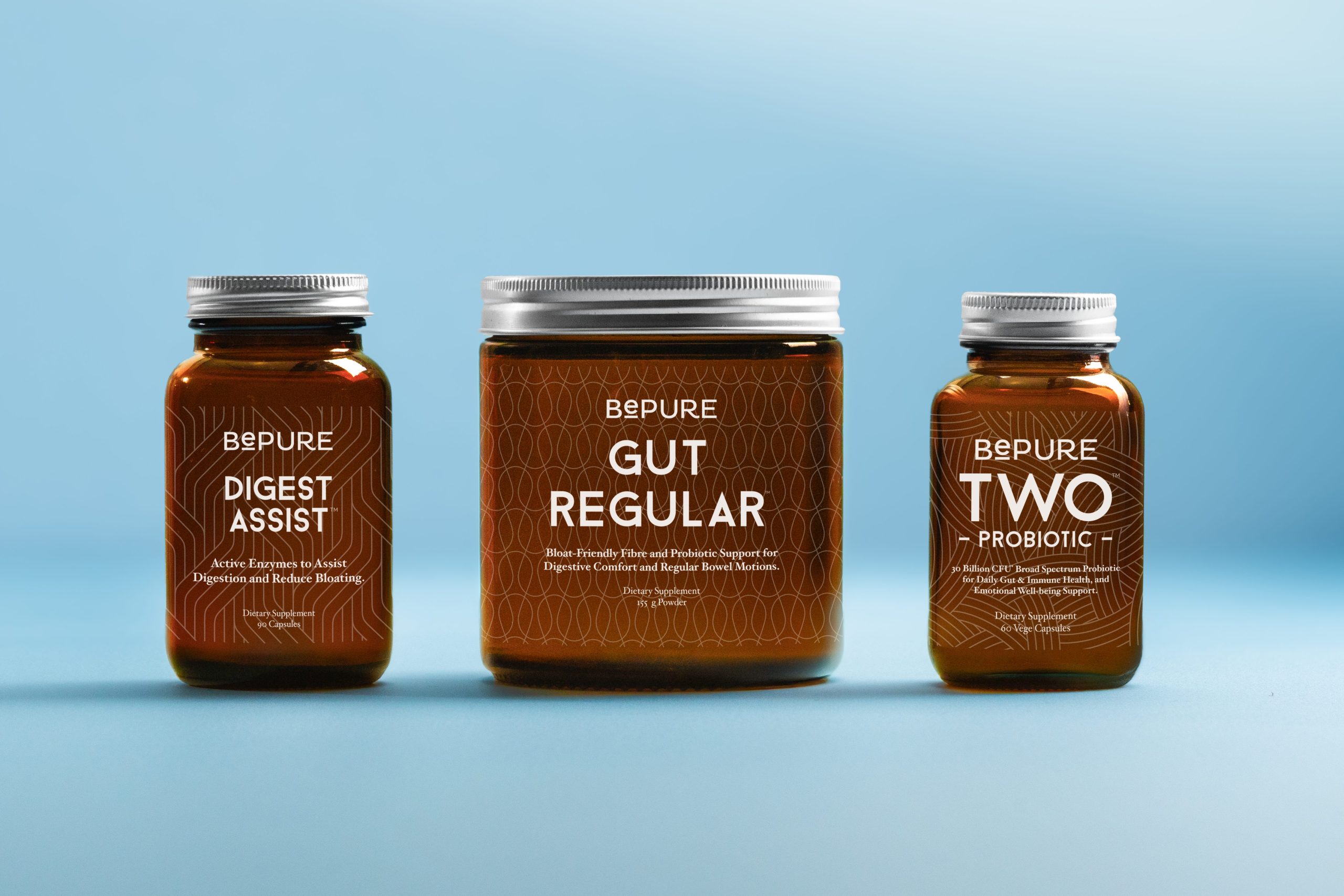
For more targeted or consistent support, probiotics can also be taken in supplement form. BePure Two is our premium probiotic containing 30 billion viable beneficial bacteria from 19 well-researched strains in every serving.
Prebiotics: The fuel
Prebiotics are a type of fibre your body can’t break down, so they travel to the large bowel where they feed good probiotic bacteria such as Bifidobacteria and Lactobacilli.
This helps these beneficial microbes to survive and multiply, and even strengthens the gut lining through the release of short-chain fatty acids as part of the fermentation process.
Prebiotics are found in everyday plant foods like:
- Onions and garlic
- Leeks and asparagus
- Bananas, apples, berries & avocados
- Oats and whole grains
- Legumes
When adding prebiotics to your diet, you’ll want to focus on diversity – to promote a diverse and healthy microbiome – and start slowly. Adding too much too quickly is a recipe for bloating, gas and digestive discomfort (you have been warned!)
Why we need both
- Probiotics introduce beneficial bacteria to the gut.
- Prebiotics help those bacteria survive, multiply and support your gut long-term.
Focusing on one without the other is like planting seeds but never watering them. The real benefits come from consistency and balance.
Keep it simple:
You don’t need to overhaul your diet to support your gut microbiome. A few small habits go a long way:
- Add fibre-rich plant foods to most meals
- Include fermented foods a few times a week
- Aim for variety across the week, not perfection in a day
Supporting your gut with both prebiotics and probiotics helps lay the foundation for better digestion, steadier energy and overall wellbeing.
References
- Nadeem R et al. A review on the potential impact of probiotics and prebiotics in enhancing health benefits. Cogent Food Agric. 2024;10(1).
- Basnet J et al. Impact of probiotics and prebiotics on gut microbiome and hormonal regulation. Gastrointest Disord. 2024;6(4):801–15.