
GLP-1 medications reduce appetite and overall food intake. My Food Bag Dietitian Jade Medemblik covers why getting enough high-quality protein becomes especially important for anyone taking GLP-1 medications and how our GLP-1 Support meals can help you to include high-quality protein.
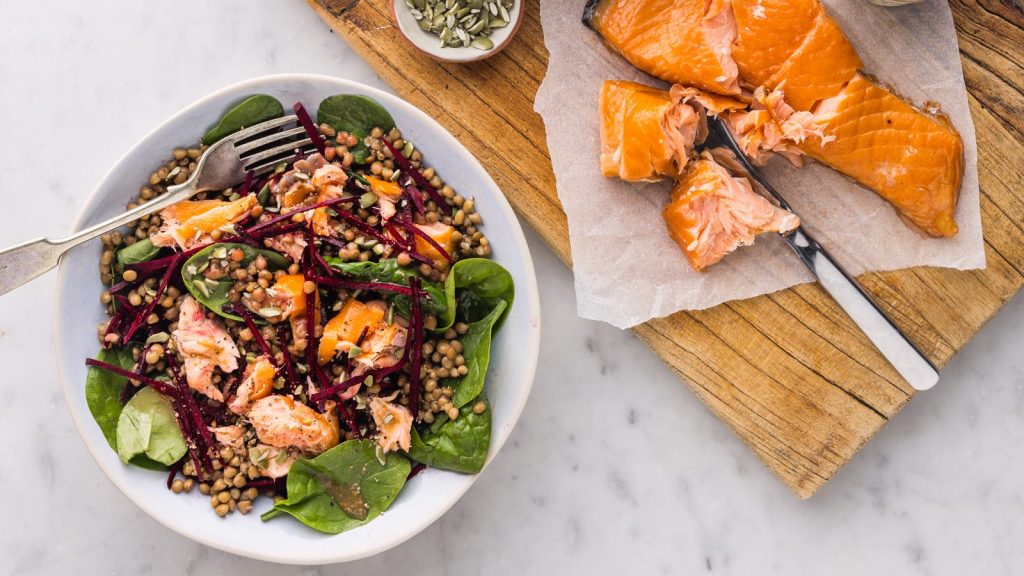
Why is protein important?
Protein is an essential macronutrient that helps to build and repair tissues, while supporting key processes in our body such as muscle development, immune health, hormone balance and metabolism (1,2,3). Protein foods supply your body with amino acids – the building blocks used to maintain lean muscle and produce important molecules like hormones and enzymes (3).
There are 9 essential amino acids (EAA’s), which are essential as the body can’t make them on its own, you must get them from the food you eat (4).
The essential amino acids:
- Histidine
- Isoleucine
- Leucine
- Lysine
- Methionine
- Phenylalanine
- Threonine
- Tryptophan
- Valine
How much protein do I need if taking GLP-1 medication?
The recommended amount of protein for anyone taking a GLP-1 medication (like Wegovy®, Ozempic® or Saxender®) is at least 60 grams per day of high-quality protein, or up to 1.5 grams of protein per kilogram of body weight per day (5,6).
Prioritising protein can help to support muscle preservation and maintain metabolic health while meeting nutritional needs during weight loss or periods of dietary change (5).
Why does protein quality matter more on GLP1’s?
Taking GLP-1 medications reduce appetite and overall food intake leading to weight loss (which is often rapid if doses are high). Because less food is consumed, the food you eat becomes even more important as you still need to meet your overall nutrient requirements.
A lower energy intake makes it more challenging to consume sufficient protein (5). For this reason, it’s crucial to maximise the nutritional value in every mouthful. This is where protein quality becomes important. Higher quality protein sources provide all essential amino acids (7). When overall food intake is low, prioritising proteins of high-quality helps you to obtain essential amino acid requirements and gaining the associated health benefits (7). For those taking GLP-1 medications, consuming high-quality protein throughout the day, aiming for around 30g per meal, can help to preserve muscle mass and support overall metabolic health (8).
What counts as high-quality protein?
Not all proteins are created equal; protein quality can vary between food sources. Protein quality refers to how well a food provides essential amino acids and how easily your body can digest and use them (1,3).
A high quality protein contains all nine essential amino acids in sufficient amounts. This is particularly important when:
- Appetite is reduced (e.g. on GLP-1 medications)
- Total food intake is lower
- Preserving lean muscle mass is a priority
How can I increase the quality of protein in my diet?
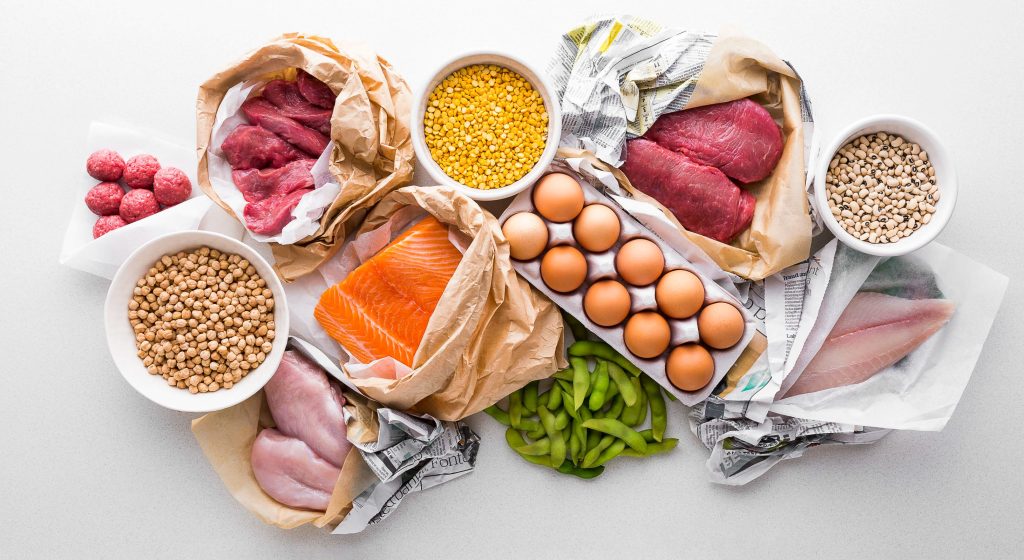
Including a variety of protein sources throughout the day will help to increase the quality of protein in your diet, and ensure you meet your daily protein needs. Try to include protein at every meal, especially breakfast!
The highest quality proteins often come from animal sources like meat, egg and dairy, with fish, poultry and lean meats being good choices (5,9). These high-quality proteins are considered ‘complete’ proteins because they provide all the essential amino acids your body needs. Some plant-based proteins, like tofu, are also complete, but many others like grains, legumes, nuts and seeds are ‘incomplete’, meaning they may lack or be low in one or more essential amino acids (10).
Eating a mix of protein sources throughout the day not only helps you to meet your protein requirements, but also ensures you get a variety of vitamins, minerals and other nutrients these foods provide. While plant proteins are generally lower in protein quality, combining different plant sources can create a complete amino acid profile. Even on their own, plant proteins are valuable for their fibre, vitamins and minerals they provide, making them an important part of a balanced diet.
Is total protein more important than protein quality?
Total protein refers to how much protein you eat each day, while protein quality describes how well your body uses it. Protein quality becomes particularly important when overall food or calorie intake is lower (1). Lower quality protein sources may provide fewer essential amino acids, making it harder for the body to meet its needs when intake is already reduced. Prioritising high quality protein helps to ensure your body still receives all the amino acids it needs, even when eating less (3,1).
That said, total protein intake still matters most. Even the highest quality proteins can’t prevent muscle loss if total protein intake is too low. While protein quality improves how efficiently protein is used, consuming enough protein remains essential for maintaining lean muscle mass.
Are protein shakes okay on GLP-1s?
Ideally, most protein should come from whole foods, as they provide not only protein but also a full package of bioavailable vitamins and minerals. In whole foods, vitamins and minerals are naturally packaged with fibre, healthy fats, and phytonutrients that work together to enhance absorption and overall nutrient uptake. In contrast, fortified protein powders typically lack these supportive components, which can limit how effectively the body uses the added nutrients.
As GLP-1 medications reduce appetite, protein shakes can still be a helpful and practical way to meet protein needs and support hydration (8). They deliver high quality protein in a small, easy to consume volume, which can be especially useful when eating less.
If choosing a protein powder, whey protein is considered a high-quality option because it contains all essential amino acids and is efficiently digested and used by the body. Plant based protein powders can also be suitable, with soy protein and blended options (e.g. pea and rice) are best, as they provide a more complete amino acid profile. It is also important to consider the additional ingredients included in protein powders. Ideally, the ingredient list should be minimal (around 3–5 recognisable ingredients), with little to no added sugar (<5g per 100g) and no artificial sweeteners (such as sucralose or aspartame). Products sweetened with stevia or monk fruit may be a less processed option. As a general guide, look for short ingredient lists with minimal additives overall.
While protein shakes can be a helpful supplement, they shouldn’t replace whole foods entirely. Whenever possible, aim to use them alongside balanced meals to support overall nutrition.
What if I’m vegan or vegetarian?
Following a vegan or vegetarian diet can sometimes mean consuming proteins that are lower in quality when compared to animal-based sources, as most plant proteins are incomplete when eaten on their own (11). However, this doesn’t mean plant-based diets are inadequate or unable to meet protein needs.
While individual plant proteins may score lower for quality when assessed in isolation, balanced meals and mixed diets can still achieve a high overall protein quality (2). Eating a wide variety of plant-based protein sources throughout the day, such as legumes, grains, nuts, seeds and soy products, allows these proteins to complement one another and improve overall protein quality (1).
Research shows that well planned plant-based diets that include a mix of protein sources do not lead to protein deficiency (10). For this reason, vegetarians and vegans benefit from being mindful of protein choices, as relying on a narrow range of plant proteins can make it harder to meet protein needs (2). With thoughtful planning and variety, vegetarian and vegan diets can effectively support protein requirements and overall health.
What the GLP-1 Support meal plan provides
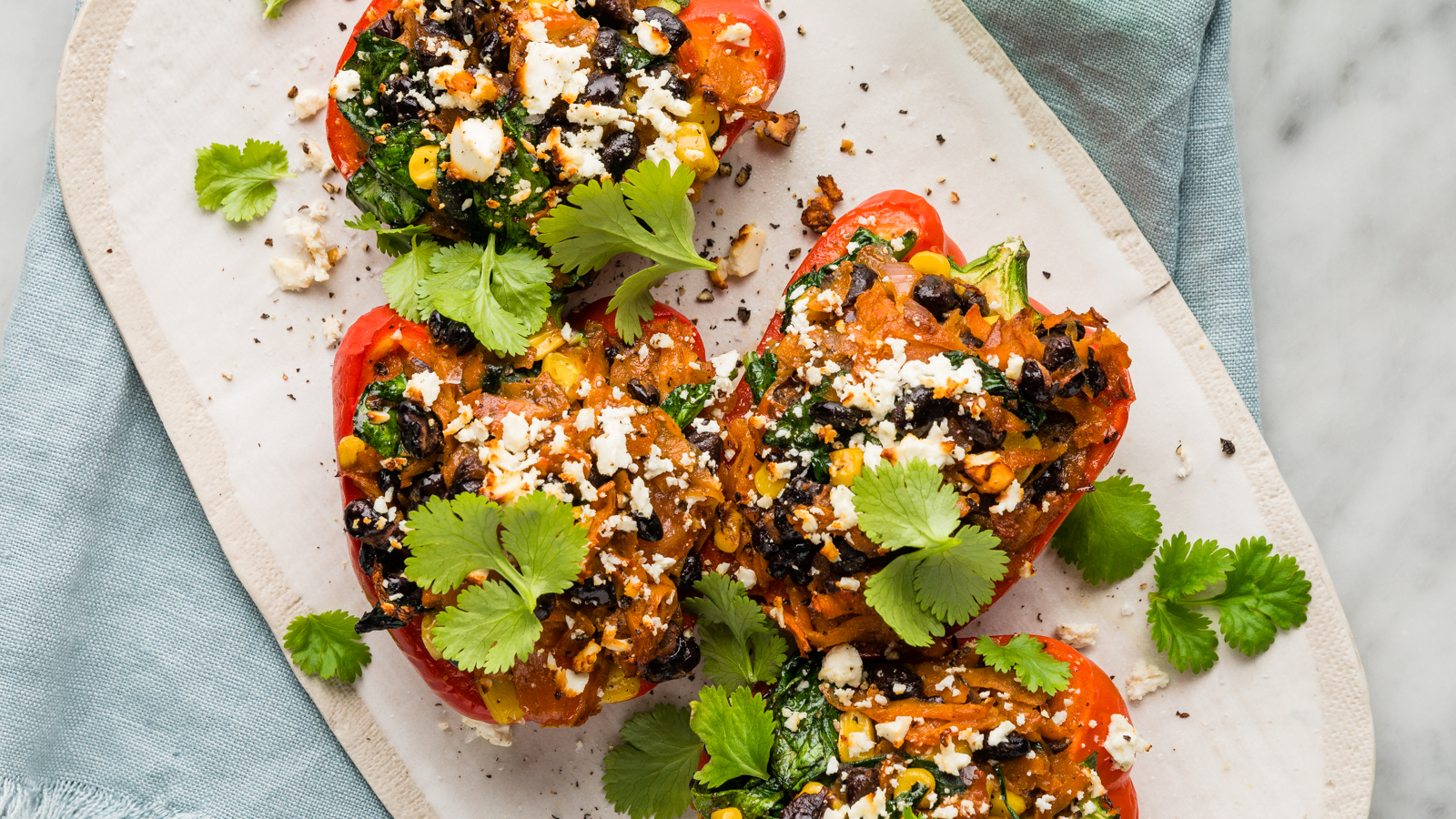
Our GLP-1 Support meals are chef and dietitian-designed with protein as a top priority. Each meal provides 20-40g of high-quality protein per serve. We carefully select premium protein sources like fish (including salmon), chicken, beef, pork, and lamb to support both taste and nutrition. We have 4 recipes and 4 ready made meals to choose from each week.
Example meals with protein amounts highlighted:
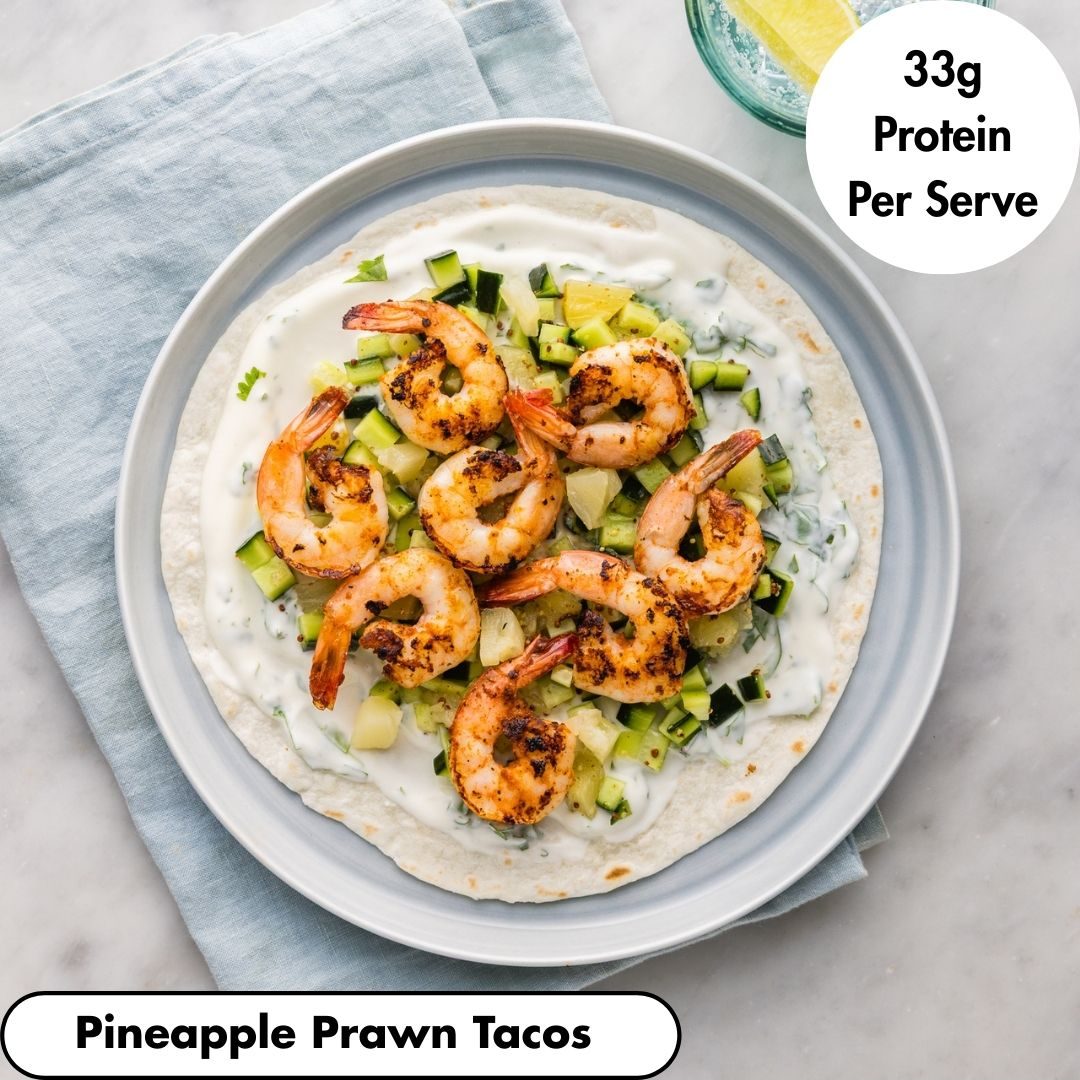
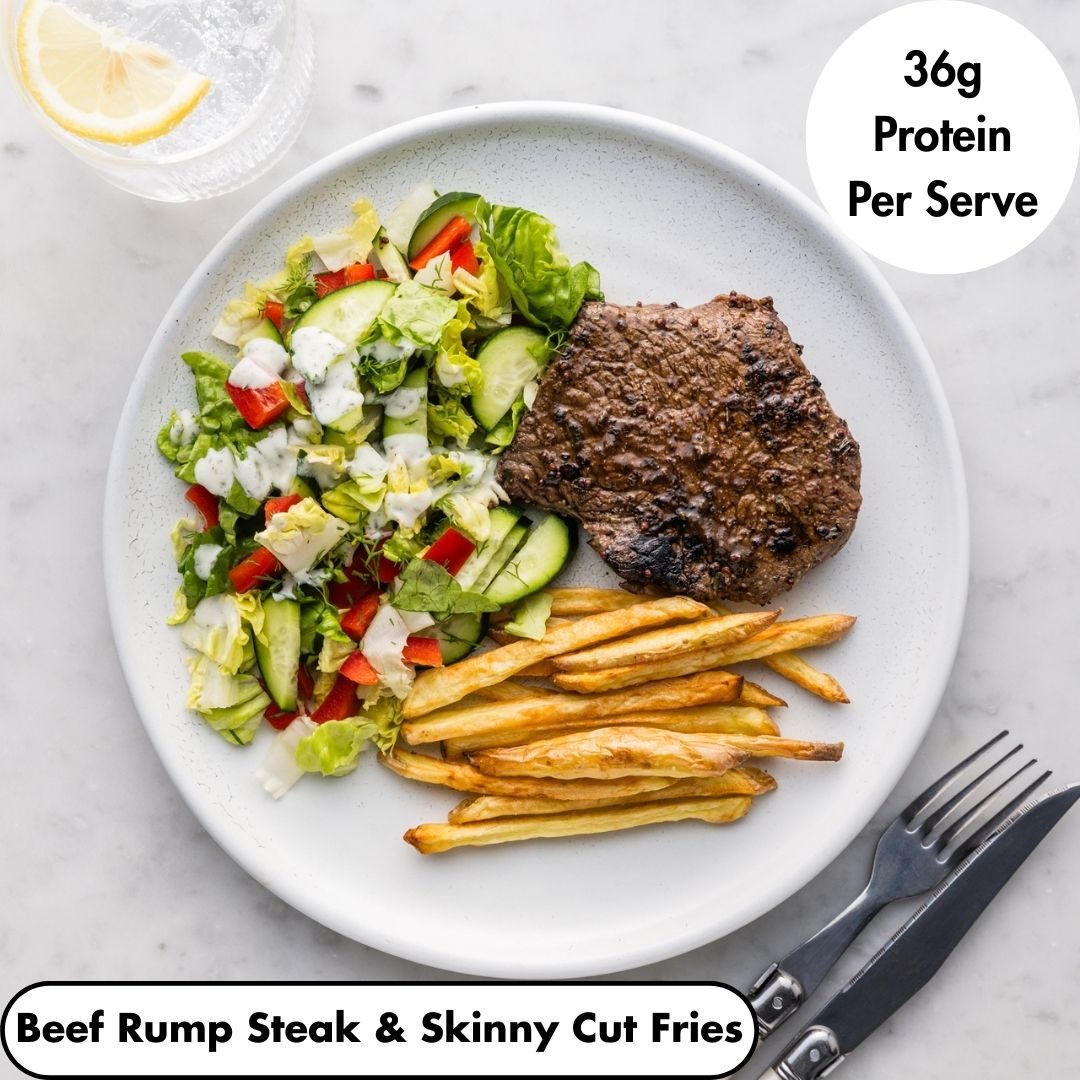
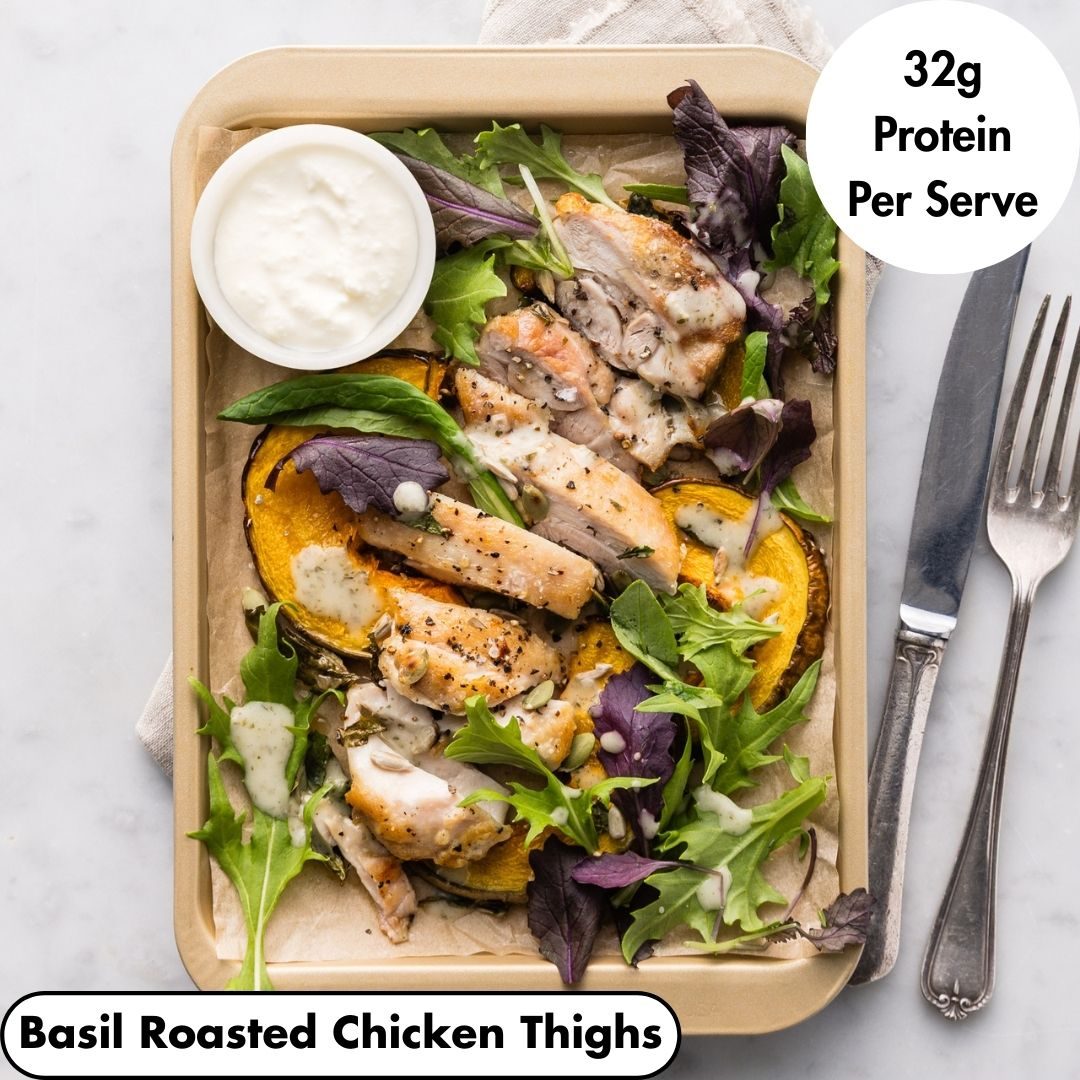
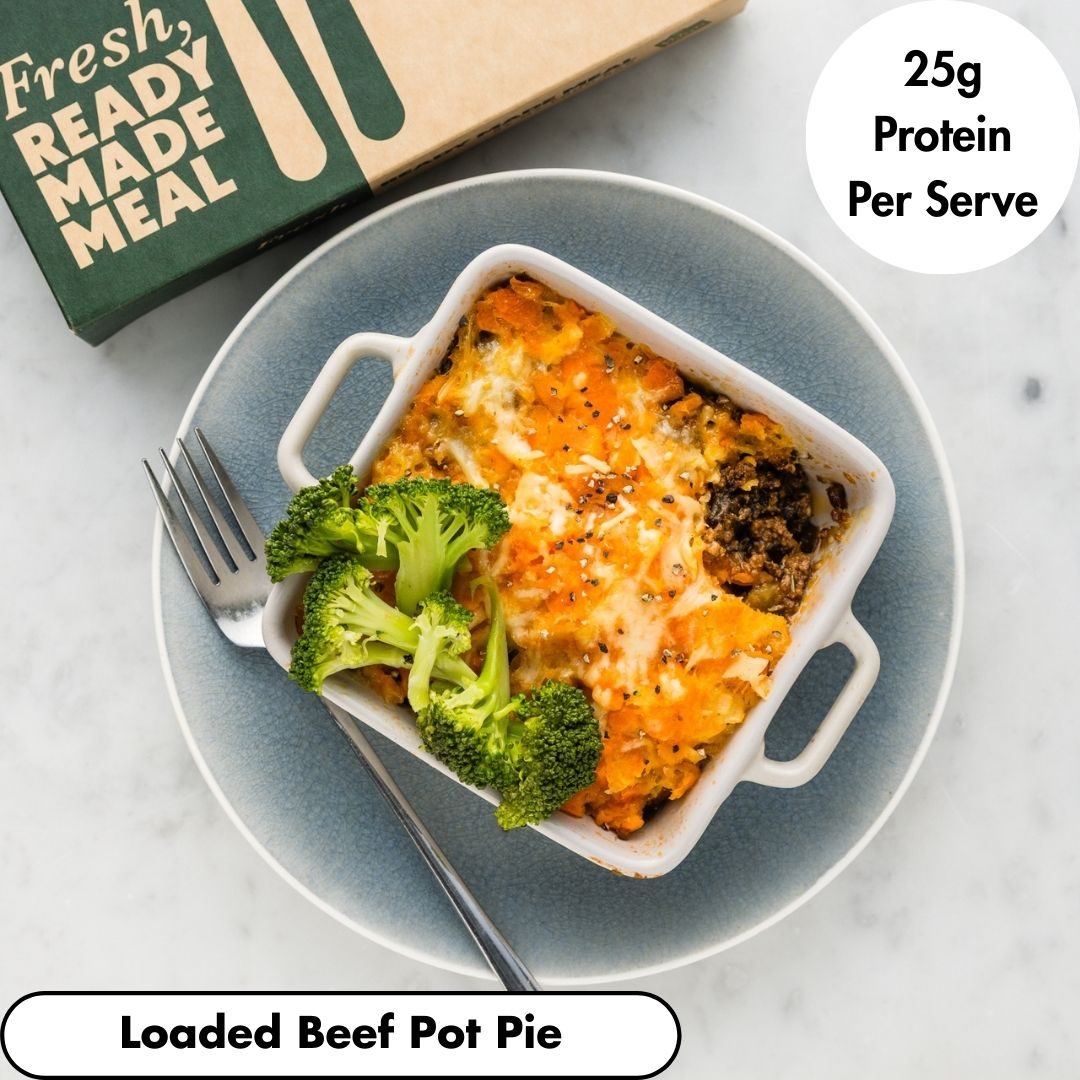
Example Ready Made meals with protein amounts highlighted:
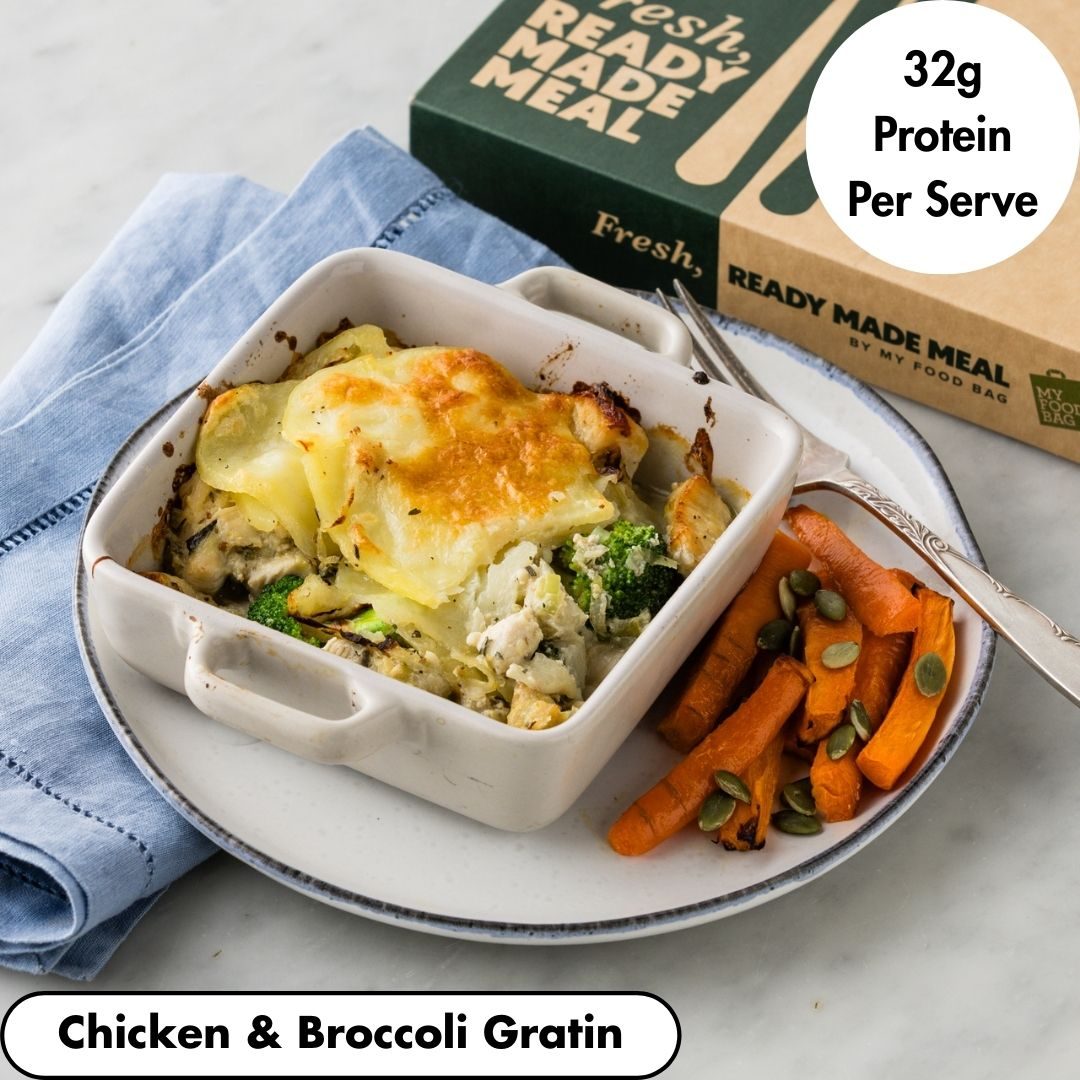
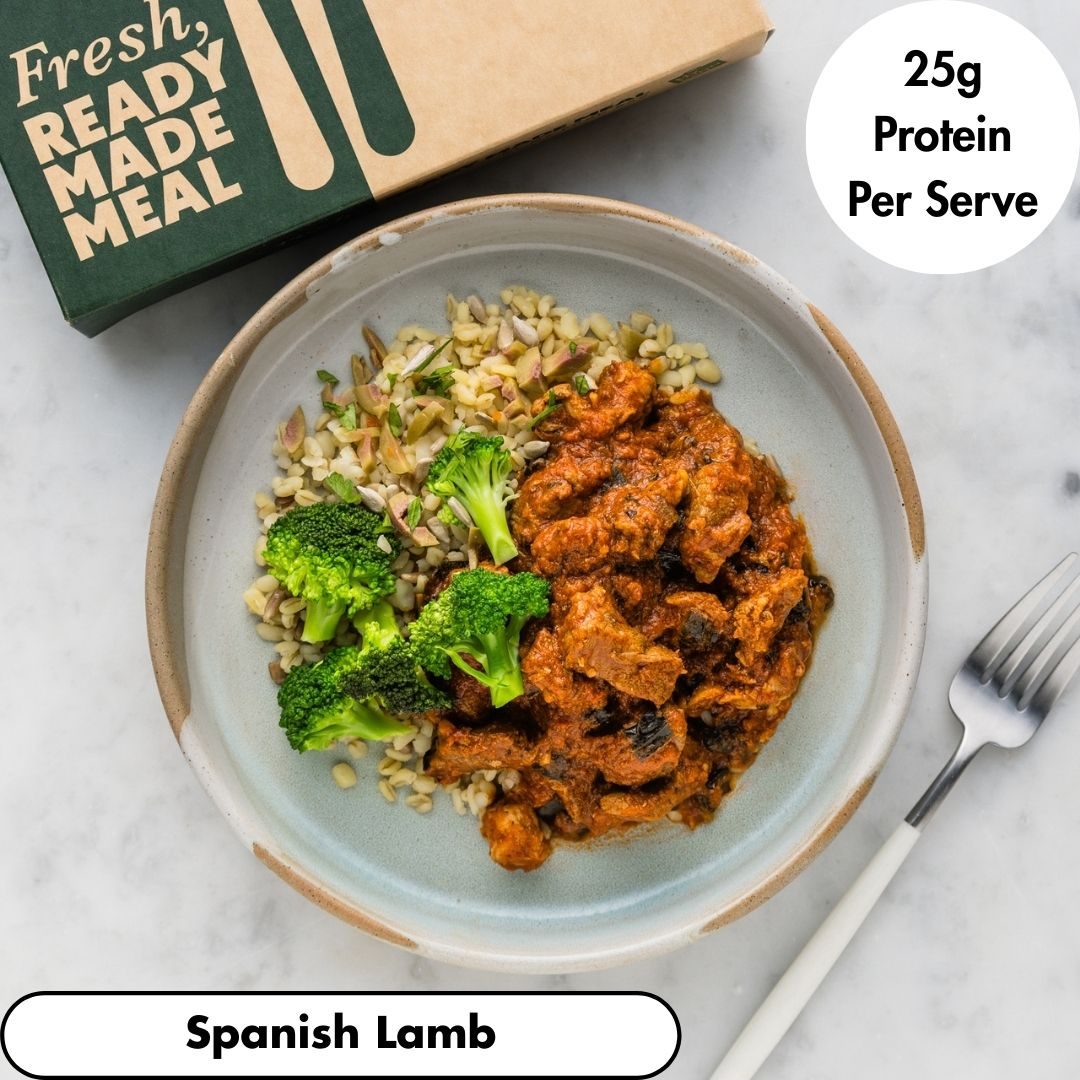
Explore the latest GLP-1 Support Menu here.
References:
(1) Ajomiwe N, Boland M, Phongthai S, Bagiyal M, Singh J, Kaur L. Protein nutrition: understanding structure, digestibility, and bioavailability for optimal health. Foods. 2024;13(11):1771. doi:10.3390/foods13111771.
(2) Adhikari S, Schop M, de Boer IJM, Huppertz T. Protein quality in perspective: a review of protein quality metrics and their applications. Nutrients. 2022;14(5):947. doi:10.3390/nu14050947.
(3) Moughan PJ, Fulgoni VL III, Wolfe RR. The importance of dietary protein quality in mid- to high-income countries. J Nutr. 2024;154(3):804–814. doi:10.1016/j.tjnut.2024.01.020.
(4) Lopez MJ, Mohiuddin SS. Biochemistry, Essential Amino Acids. In: StatPearls [Internet]. Treasure Island (FL): StatPearls Publishing; 2025 Jan-. Available from: https://www.ncbi.nlm.nih.gov/books/NBK557711/
(5) Mozaffarian D, Agarwal M, Aggarwal M, Alexander L, Apovian CM, Bindlish S, et al. Nutritional priorities to support GLP-1 therapy for obesity: a joint Advisory from the American College of Lifestyle Medicine, the American Society for Nutrition, the Obesity Medicine Association, and The Obesity Society. Obesity. 2025;33(8):1475–1503. doi:10.1002/oby.24336.
(6) Almandoz JP, Wadden TA, Tewksbury C, Apovian CM, Fitch A, Ard JD, et al. Nutritional considerations with antiobesity medications. Obesity (Silver Spring). 2024 Jun 10. doi:10.1002/oby.24067. PMID:38853526.
(7) Matthews JJ, Arentson-Lantz EJ, Moughan PJ, Wolfe RR, Ferrando AA, Church DD, et al. Understanding Dietary Protein Quality: Digestible Indispensable Amino Acid Scores and Beyond. J Nutr. 2025 Oct;155(10):3152-3167. doi:10.1016/j.tjnut.2025.07.005.
(8) Johnson BVB, Milstead M, Green L, Kreider R, Jones R. Diet quality and nutrient distribution while using glucagon-like-peptide-1 receptor agonist: A secondary cross-sectional analysis. Obes Pillars. 2025 Dec;16:100195. doi:10.1016/j.obpill.2025.100195.
(9) Fitch A, Gigliotti L, Bays HE. Application of nutrition interventions with GLP-1 based therapies: a narrative review of the challenges and solutions. Obes Pillars. 2025 Aug 28;16:100205. doi:10.1016/j.obpill.2025.100205. PMID:41018564.
(10) Alcorta A, Porta A, Tárrega A, Alvarez MD, Vaquero MP. Foods for plant-based diets: challenges and innovations. Foods. 2021;10(2):293. doi:10.3390/foods10020293.
(11) Calvez J, Azzout-Marniche D, Tomé D. Protein quality, nutrition and health. Front Nutr. 2024 May 28;11:1406618. doi:10.3389/fnut.2024.1406618. PMID:38863590.