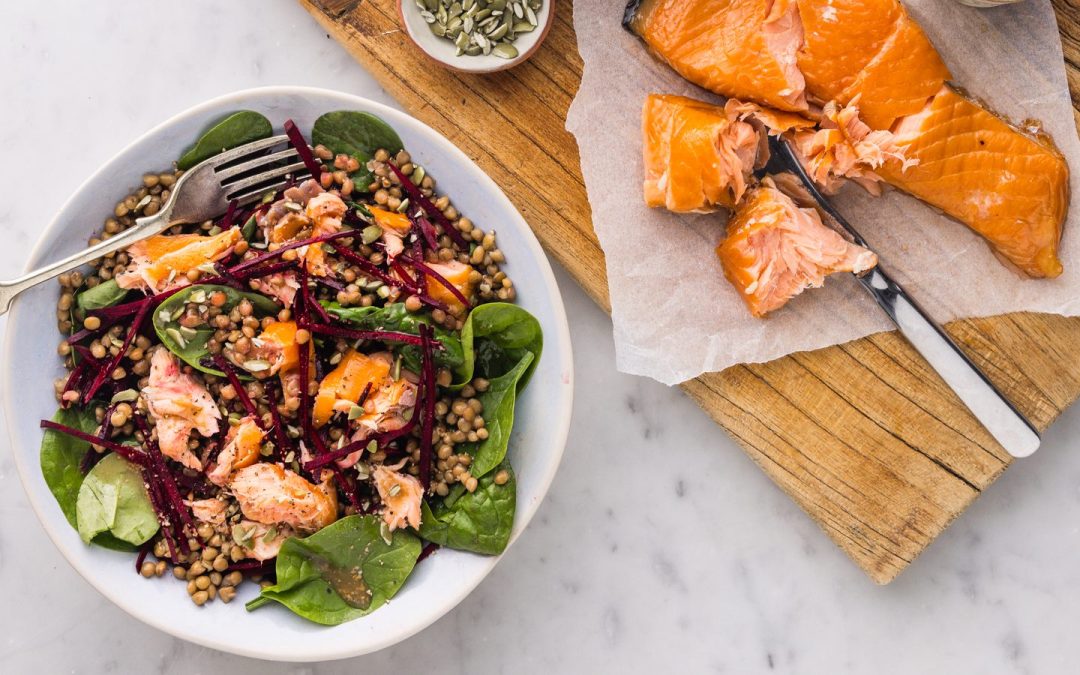
With so much conflicting information about diet and nutrition, it’s easy to be misled by popular myths. Our My Food Bag Dietitian, Lily ‘Lentil’, debunks 9 common myths that may be influencing your eating habits, helping you make more informed choices about your health and nutrition.

1. You need to eat lots of protein to gain muscle
Protein is essential for muscle growth, maintenance and repair, but extremely high intakes are unnecessary and can mean you don’t achieve a balanced and varied diet.
Research shows most adults can maintain and build muscle with 1.2-2.0g per kilogram of body weight per day, but your individual requirements depend on your training and energy needs. Having more protein than this does not enhance muscle gains.
Protein has been overhyped lately and is only one part of your diet – we need to focus on the quality of the overall plate rather than a single nutrient. Muscle growth also relies on other factors beyond protein including total energy intake, resistance training, recovery and sleep. Whole food protein sources like eggs, dairy, fish, lean meats, legumes, nuts and seeds all provide important vitamins and minerals whereas heavily processed foods with added protein are often a vehicle for sugar, sweeteners, salt and other refined ingredients (1).
2. You need to cut carbs to lose fat
Carbs have a bad reputation, but they are not the enemy – the quality of carbs on your plate matters most.
Most people don’t realise that carbs are not only found in grains and cereal-based foods – but they are also found in found in fruit, vegetables, dairy products and legumes which provide valuable nutrients like fibre, vitamins, and minerals.
Extremely low-carb diets are difficult to sustain and unnecessary for most people. Fat loss depends on creating an energy deficit, and long-term studies show no clear advantage of low carb diets over more balanced dietary patterns.
Including small amounts of high-quality carbohydrates like brown rice, quinoa, or wholegrain bread each day is a more sustainable approach.
3. Fasting is the key to longevity (and weight loss)
Intermittent fasting can help some people to reduce their daily calorie intake, but research shows it is no more effective than other calorie-controlled diets.
Having a 10–12 hour break from eating overnight and reducing late-night snacking can be beneficial, but extended fasting may lead to overeating when not fasting, inadequate nutrition or slowed digestion (which may even contribute to constipation).
There is no evidence that fasting extends lifespan or improves longevity in humans.
Long-term health and weight management depend on balanced diets, regular physical activity, good sleep, and sustainable habits. Fasting may work for some, but it is not necessary for good health and can be risky if not carefully managed.

4. Eating little and often is best
Hunger and metabolic rate vary widely between people and there is no single meal pattern that works for everyone.
Some people need to have smaller, more frequent meals i.e. older adults with reduced appetite, athletes with high energy needs, children with smaller tummies or people using GLP-1 medications (more information here).
However, most people do well by eating a few larger meals per day and snacks as needed.
The quality of your meals and paying attention to actual hunger cues are far more important than meal frequency.
Ultimately, your daily eating pattern should help you to feel energised, support a stable mood and meet your individual nutritional needs.
5. Detox diets are needed for gut health
The concept of ‘detox diet’ is not supported by scientific evidence (2).
The human body has highly efficient detoxification systems – the liver, kidneys, gut and skin – that continuously process and eliminate waste and toxins.
Short-term detox diets often involve severe dietary restriction and may heighten anxiety around food or promote unsustainable eating patterns.
If you’ve been on holiday or are struggling to maintain healthy habits due to work or life stress, it’s better to focus on resetting your behaviours in a sustainable, realistic way.
For example, reducing alcohol if you’ve been drinking more than usual or preparing more meals at home if you’ve been eating out – rather than relying on extreme detox diets.
6. Red meat and seed oils cause inflammation
Nutrition research rarely supports simple cause-and-effect claims about individual foods, and the relationship is more nuanced than many headlines suggest.
When consumed as part of a balanced diet, lean red meat provides important nutrients such as protein, iron, zinc, and vitamin B12.
The current advice is to limit or avoid processed meats (like ham, sausages and salami) because there is strong and consistent evidence showing an association between eating processed meats and the development of colorectal (bowel) and stomach cancers (1).
Current evidence does not support the idea that seed oils cause inflammation; in fact, replacing saturated fats with unsaturated fats, including vegetable oils like olive oil or canola oil, can reduce cardiovascular risk. Overall dietary patterns and lifestyle habits have a far greater impact on health than single foods.

7. All processed foods are “bad”
Food processing exists on a spectrum isn’t simply ‘good’ or ‘bad’.
Our diet should focus on mostly whole or minimally processed foods, especially plant foods like vegetables, fruit, legumes, nuts, and seeds. Many processed foods such as frozen vegetables, canned legumes, yoghurt, and wholegrain bead – are convenient, nutritious and support a healthy diet.
Highly processed (or ultra-processed) foods are easy to overconsume, often have long ingredients lists and many contain added sugars, saturated fat, and/or salt with little nutritional value, so moderation is important. When choosing products, look for shorter ingredient lists (less additives) with recognisable ingredients.
8. Eating soy negatively impacts your hormones
Soy contains natural plant compounds called isoflavones (sometimes called phytoestrogens) but these don’t act the same way as human oestrogen in the body (3).
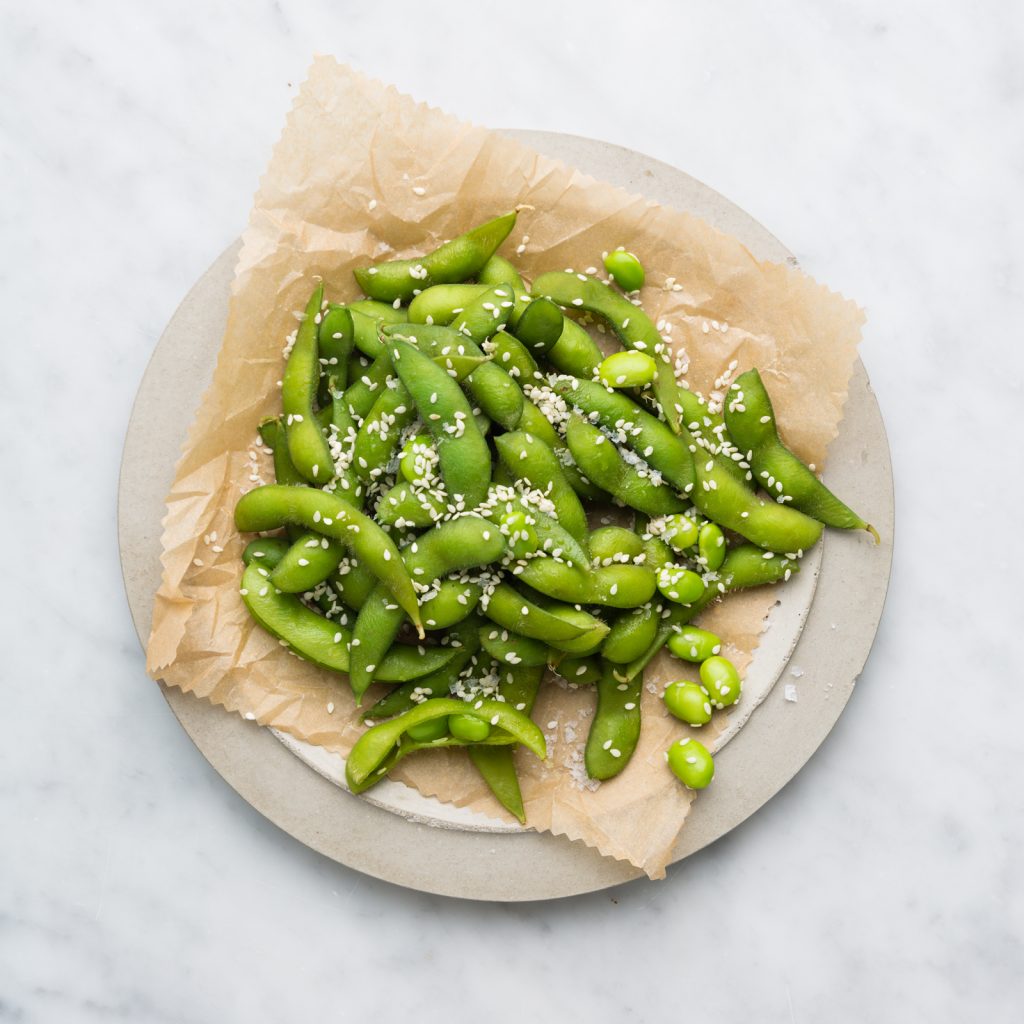
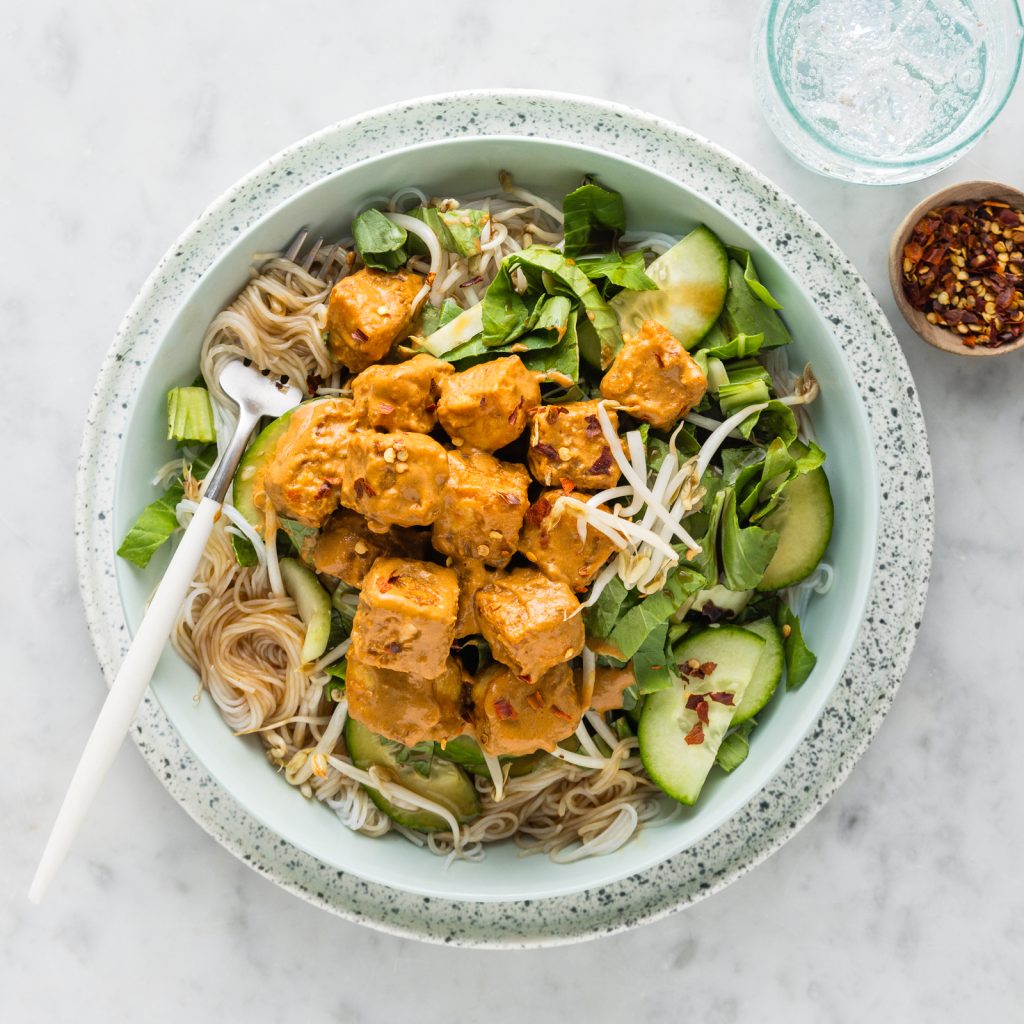
Whole soy foods like tofu, tempeh, soy milk and edamame beans provide high quality plant protein, fibre, vitamins and minerals, and are linked with benefits such as improved heart health.
Large reviews of clinical studies show that eating moderate amounts of soy does not disrupt hormone levels in men or women and it can be part of a healthy diet. The New Zealand Eating and Activity Guidelines recommend a variety of protein-rich foods each day, and soy foods can contribute to this (1). In practical terms, this might look like a 170g serving of tofu or a cup of edamame beans.
Soy is also an important alternative for people with dairy allergies or intolerances. When choosing soy milk, opt for unsweetened varieties fortified with calcium, vitamin B12, and vitamin D.
9. We shouldn’t eat fruit because of the sugar content
Fruit provides fibre, vitamins, minerals and antioxidants that provide a range of benefits for our health. The natural sugar in fruit, fructose is used by the body in a different way to other sugars that may be added to foods.
The fibre and structure of whole fruit slow digestion and helps to moderate the body’s blood sugar response compared with foods that contain refined or added sugars.
Current evidence consistently shows that eating whole fruit is an important part of a healthy dietary pattern to help prevent and manage type 2 diabetes.
It’s best to limit fruit juice, dried fruit and processed foods made with fruit pastes or concentrates, as these are typically high in concentrated sugars and low in fibre.
But fruit shouldn’t be avoided. Eating a couple of pieces of whole fruit each day is beneficial for your health.
References:
(1) Ministry of Health. Eating and Activity Guidelines for New Zealand Adults. Updated 2020. Wellington: Ministry of Health; 2020. Available from: https://www.tewhatuora.govt.nz/assets/For-the-health-sector/Health-sector-guidance/Active-Families/eating-activity-guidelines-new-zealand-adults-updated-2020-oct22.pdf
(2) Klein AV, Kiat H. Detox diets for toxin elimination and weight management: a critical review of the evidence. Journal of human nutrition and dietetics. 2015 Dec;28(6):675-86.
(3) Messina M, Duncan A, Messina V, Lynch H, Kiel J, Erdman Jr JW. The health effects of soy: A reference guide for health professionals. Frontiers in nutrition. 2022 Aug 11;9:970364.