
Do you find yourself feeling energised in the morning, only to hit a wall mid-afternoon? Perhaps you start craving something sweet, reach for another coffee or find yourself grazing while waiting for dinner. You’re not alone. The afternoon crash is something many people experience, and it isn’t about needing more caffeine or not having enough willpower!
The way we eat throughout the day can influence our energy levels, hunger and appetite. Skipping meals, eating a lunch that doesn’t quite satisfy you or going too long without food can all contribute to feeling hungry and low in energy later in the day.
In a recent conversation with Dr Libby and Nadia Lim, we explored why so many people crash and crave in the afternoon, how blood glucose fits into the picture and some simple ways to build more nourishing, satisfying meals.
The overarching message? It’s time to shift our mindset away from restriction. Rather than focusing on what we need to cut out of our diets, let’s think about what we can add to make our meals and snacks more nourishing.
WATCH: Dr Libby x Fresh Start – Cravings, Hunger & Energy Levels

Why do we get the afternoon slump?
There isn’t one single reason for an afternoon energy dip. Our natural body clock can cause alertness to dip during the afternoon, but what and when we eat can also play a role.
One factor worth considering is blood glucose, also known as blood sugar. When we eat carbohydrate-containing foods, our digestive system breaks them down into glucose, which enters the bloodstream and provides energy for our cells. In response, the pancreas releases insulin, a hormone that helps move glucose from the blood into cells. Blood glucose naturally rises after eating and then comes down again. This is a normal part of digestion and metabolism. However, the type and combination of foods we eat can influence how quickly glucose enters the bloodstream and how our bodies respond.
Eating carbohydrate foods alongside protein, fibre and fat can influence digestion and the post-meal glucose response. For example, research has found that adding protein to carbohydrate-containing meals can reduce the post-meal glucose response (1). This is one reason why looking at the overall balance of your meals can be helpful, rather than focusing on individual foods or nutrients in isolation.
Are carbohydrates causing your cravings?
Let’s clear something up: carbohydrates are not the enemy.
Carbohydrates are an important source of energy and provide glucose, which our brains and bodies rely on. They also come packaged with other valuable nutrients, depending on the food source.
For example, potato, kūmara, oats, brown rice and wholegrain bread all contain carbohydrates, but they also provide nutrients such as fibre, vitamins and minerals. Whereas, lollies and sugary drinks also contain carbohydrates, but provide very little nutritional value.
The goal isn’t to eliminate carbohydrates. Instead, think about the types of carbohydrate foods you’re eating and what you’re pairing them with. Choosing wholegrain options, starchy vegetables, fruit and legumes more often can help you include fibre and a wider range of nutrients. Pairing these with protein and healthy fats helps create a more balanced and satisfying meal.
How to build a meal that keeps you satisfied
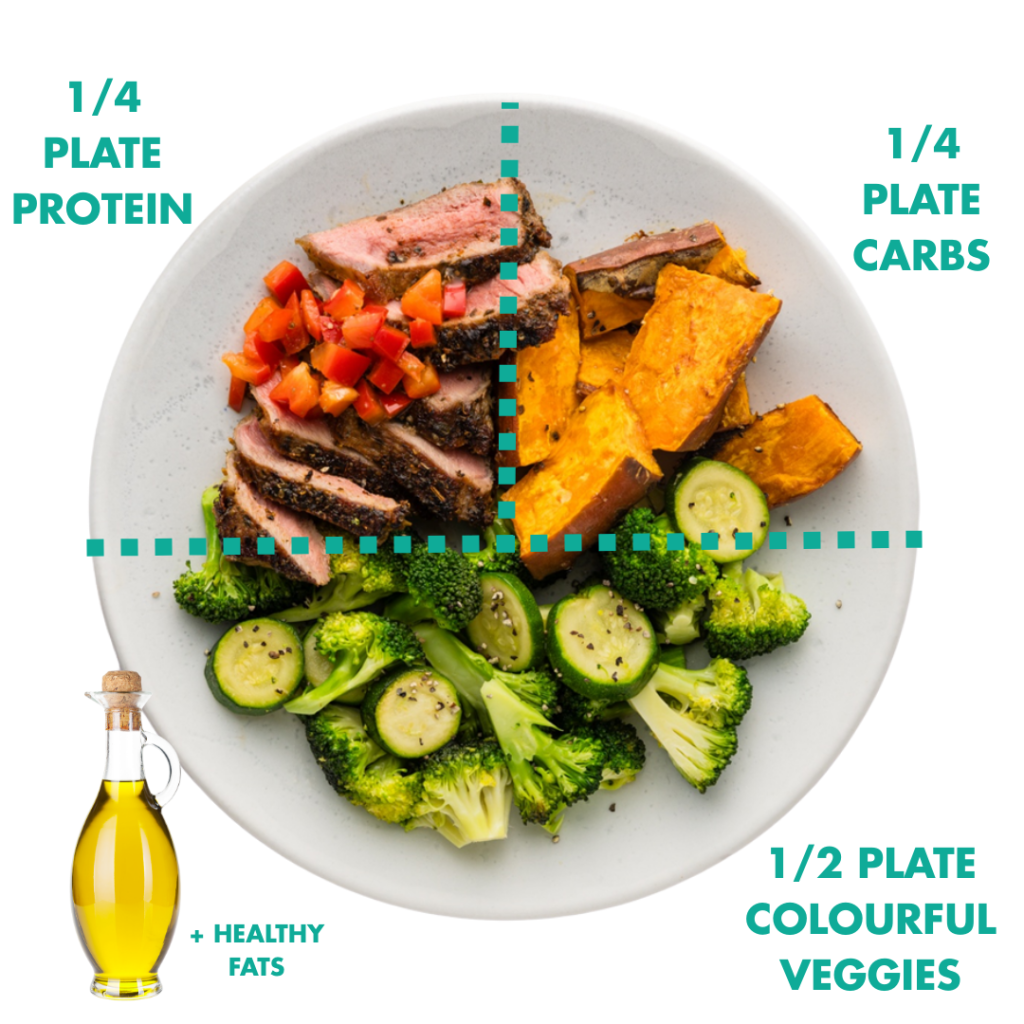
As Dr Libby and Nadia discuss in the episode, building a nourishing meal doesn’t need to be complicated. Start with the basics and focus on including a combination of vegetables, protein, carbohydrates and healthy fats.
Each of these components plays a different role. Protein, fibre and fats can all promote fullness through a variety of mechanisms such as, slowing digestion, adding to the bulk of meals, giving more sustained energy levels etc. Together, they help create a meal that is nourishing, satisfying and enjoyable.
Here’s what that can look like:
1. Fill half your plate with colourful vegetables
Vegetables provide fibre, vitamins, minerals and a variety of plant compounds. Fibre contributes to the volume and texture of meals and some types can help slow digestion, which may support feelings of fullness. Different types of fibre have different effects, so including a variety of plant foods is a great place to start.
2. Include a source of protein
Protein plays an important role in maintaining and repairing muscle and other body tissues. It also helps you feel fuller for longer. Include foods such as chicken, fish, eggs, lean meat, tofu, legumes or dairy products.
3. Don’t forget your carbohydrates
Include a source of carbohydrate such as kūmara, potato, brown rice, wholegrain bread or legumes. These foods provide energy, and many also contribute fibre and important micronutrients. There’s no need to avoid carbohydrates, particularly if you’re finding that your meals aren’t keeping you satisfied.
4. Add some healthy fats
Avocado, olive oil, nuts and seeds provide healthy fats and contribute to the overall nutritional value, flavour and enjoyment of your meal.
Remember, this is a guide rather than a strict formula. Your energy needs and appetite will vary depending on your body, activity levels and lifestyle.
Shift your focus from restriction to addition
One of the key messages from the episode is to focus on what you can add to your diet, rather than what you need to take away.
It’s easy to get caught up in food rules: cutting out carbohydrates, avoiding certain foods or trying to eat as little as possible at lunchtime. But consistently restricting foods or not eating enough can leave you feeling hungry, unsatisfied and low in energy. Instead, think about what you could add to make your meals more nourishing and satisfying. Could you add some extra vegetables to your lunch? Include a source of protein at breakfast? Add some fruit, nuts or seeds to your afternoon snack?
This approach shifts the focus towards nourishing your body, rather than feeling like you’re constantly missing out. It also helps make healthy eating feel more positive and sustainable.
What about caffeine, sleep and stress?
Food is only one part of the picture. Sleep, stress, hydration and your daily routine can all influence how energised you feel.
Caffeine can temporarily increase alertness, but its effects vary between people. It can also interfere with sleep, particularly when consumed later in the day or in larger amounts. If you’re relying on multiple coffees to get through the afternoon, it may be worth looking at your overall caffeine intake and sleep habits.
Stress can also influence appetite and food choices. When we’re busy, overwhelmed or running on little sleep, it can be harder to recognise hunger cues or make time for satisfying meals. It’s also much harder to make a considered food choice after a busy day when you’re tired and hungry.
If you’re experiencing frequent afternoon slumps, take a broader look at your routine. Are you eating enough? Are you getting enough sleep? Are you allowing yourself time to eat lunch?
If you’re experiencing persistent or unexplained fatigue, it’s important not to assume it’s simply a nutrition issue. Fatigue can have many causes, including iron deficiency, anaemia, thyroid conditions and other health concerns. Speak with your GP or healthcare professional if it continues or is affecting your everyday life.
What about afternoon snacks?
Feeling hungry between meals is completely normal. You don’t need to avoid snacking or push through hunger until dinner. The key is to choose something that satisfies you. Combining protein and fibre-containing foods can make for a nourishing and filling snack.
Some easy ideas include:
- Greek yoghurt with fresh or frozen berries and nuts.
- Apple slices with peanut butter.
- Vegetable sticks with hummus.
- A boiled egg with wholegrain crackers.
- A smoothie made with milk, yoghurt and fruit.
- A handful of nuts and a piece of fruit.
A Fresh Start by My Food Bag
Knowing what a balanced meal looks like is one thing. Finding the time to plan, shop, prepare and cook those meals every week is another.
That’s where Fresh Start can help. With 20+ dietitian-approved recipes to choose from each week, Fresh Start makes it easier to put balanced eating into practice without the added mental load.
Our recipes bring together quality protein, colourful vegetables, carbohydrates and wholefood ingredients to help you create satisfying meals that fit into everyday life. You can also choose from a range of options, including High Protein, Calorie-Controlled, Gut Health, Mediterranean, Vegetarian and Pescatarian recipes, as well as Ready Made meals, depending on your preferences and goals.
Take the guesswork out of healthy eating with Fresh Start. Explore our weekly recipes and make balanced meals a little easier.

The takeaway
An afternoon slump or craving isn’t a sign that you’ve failed or need more willpower. It’s an opportunity to check in with your body and consider what might be missing.
Start with the basics: eat regular, balanced meals, include a variety of plant foods, make sure you’re getting enough protein and carbohydrates, and don’t be afraid to eat when you’re hungry. You don’t need to follow more food rules or cut out entire food groups. Focus on what you can add, find an approach that works for you and remember that consistency matters more than perfection.
Want to hear more from Dr Libby? Head to our Fresh Start x Dr Libby hub to watch the full conversation on cravings, hunger and energy levels, alongside more practical nutrition advice from Dr Libby, Nadia Lim and Fresh Start Dietitian Jaimey.
References
- Wolever TMS, Zurbau A, Koecher K, Au-Yeung F. The effect of adding protein to a carbohydrate meal on postprandial glucose and insulin responses: A systematic review and meta-analysis of acute controlled feeding trials. The Journal of Nutrition. 2024;154(9):2640–2654. https://doi.org/10.1016/j.tjnut.2024.07.011
- Kohanmoo A, Faghih S, Akhlaghi M. Effect of short- and long-term protein consumption on appetite and appetite-regulating gastrointestinal hormones, a systematic review and meta-analysis of randomized controlled trials. Physiology & Behavior. 2020;226:113123. https://doi.org/10.1016/j.physbeh.2020.113123
- Akhlaghi M. The role of dietary fibers in regulating appetite, an overview of mechanisms and weight consequences. Critical Reviews in Food Science and Nutrition. 2024;64(10):3139–3150. https://doi.org/10.1080/10408398.2022.2130160
- Ministry of Health. Eating and Activity Guidelines for New Zealand Adults: Updated 2020. https://www.health.govt.nz/publications/eating-and-activity-guidelines-for-new-zealand-adults